Last Updated: Jan.03 2026
1. Introduction
Remap-Skin ("we," "us," or "our") is committed to protecting your privacy. This Privacy Policy explains how our mobile application (the "App") collects, uses, and safeguards your information.
2. Information We Collect
Account Information:
When you create an account, we use third-party authentication providers (such as Sign in with Apple, Google Sign-In, or email authentication) to verify access. We store a unique user identifier (UID) to link your data to your account.
Skincare Data You Provide:
We store the information you voluntarily provide in the App, which may include:
- Age group and routine preferences
- Skincare concerns and goals
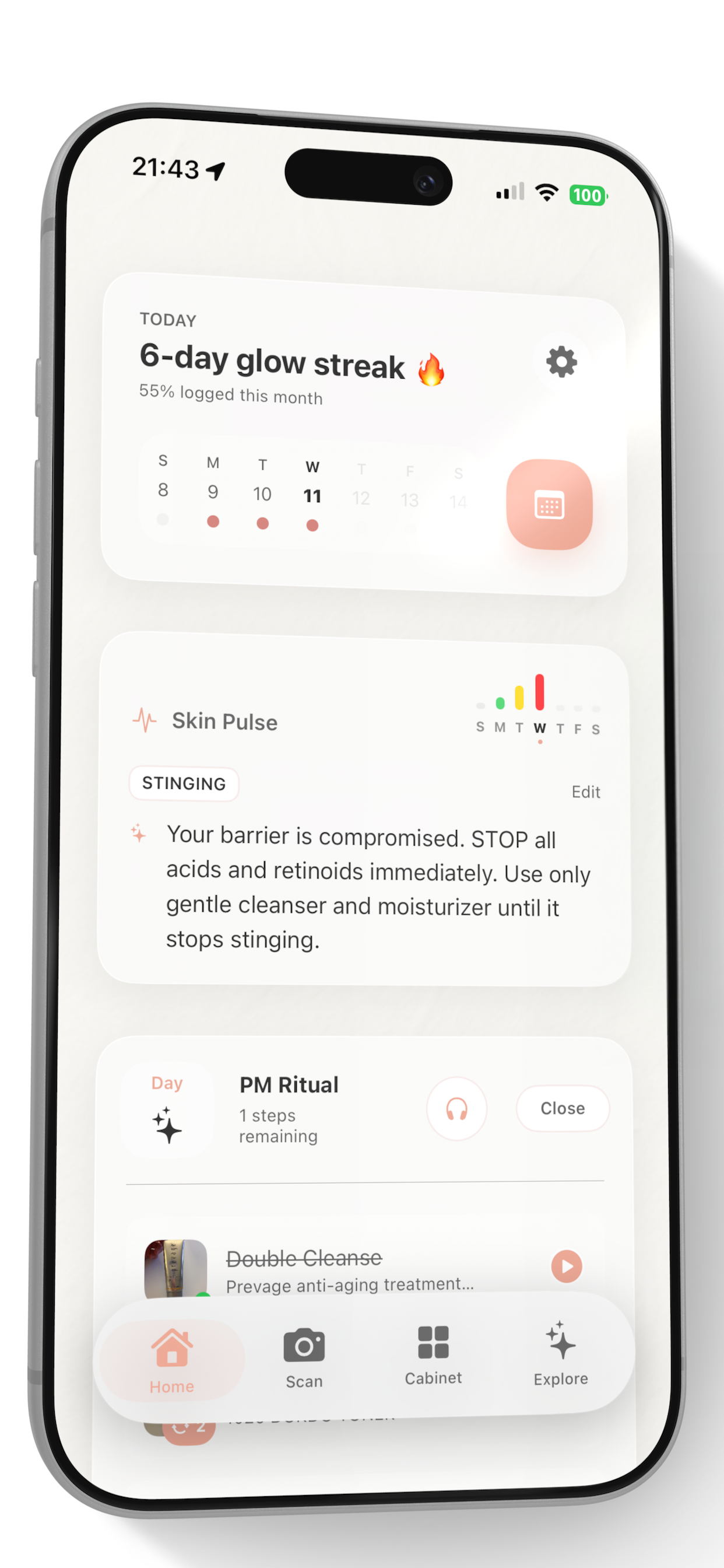
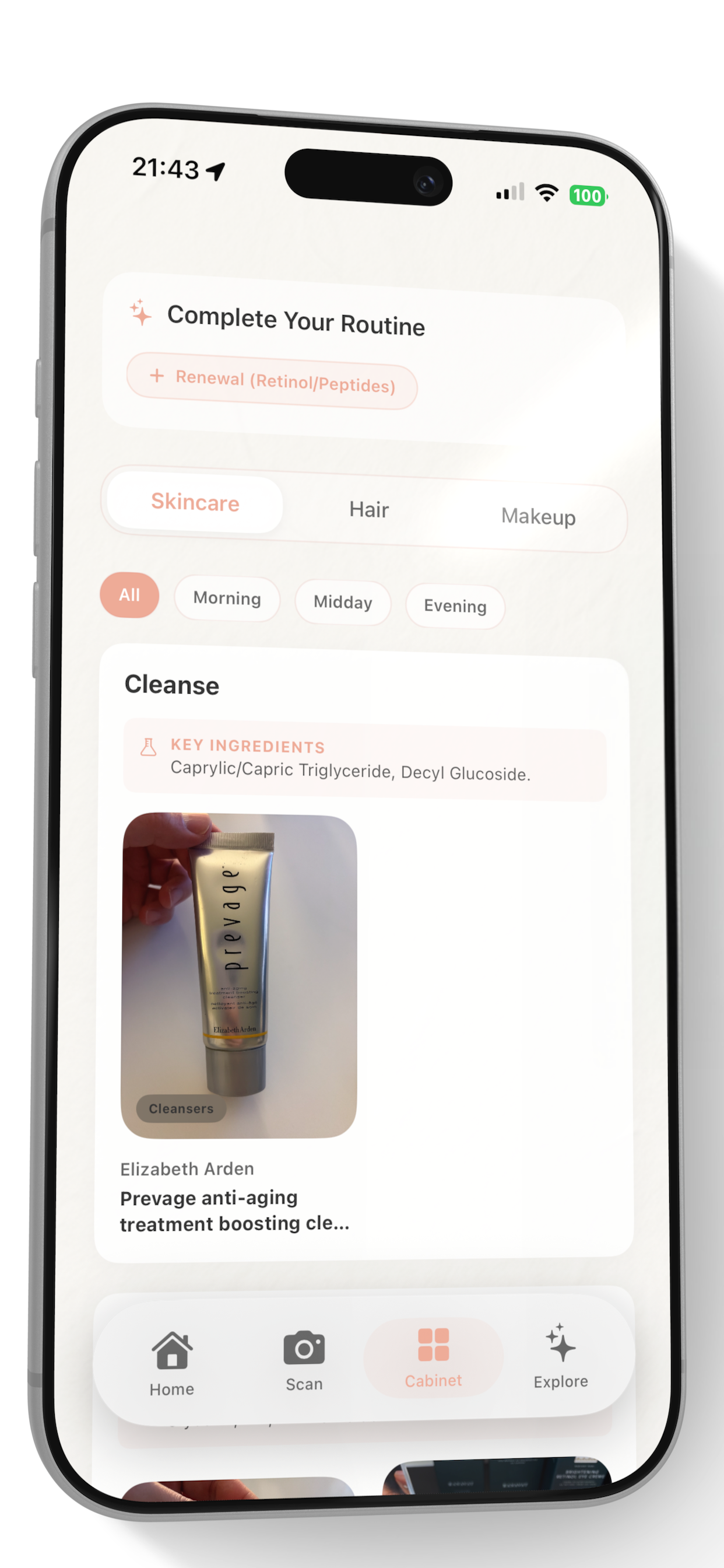
- Product inventory (cabinet), routine selections, and daily logs
Images and Camera / Photo Library:
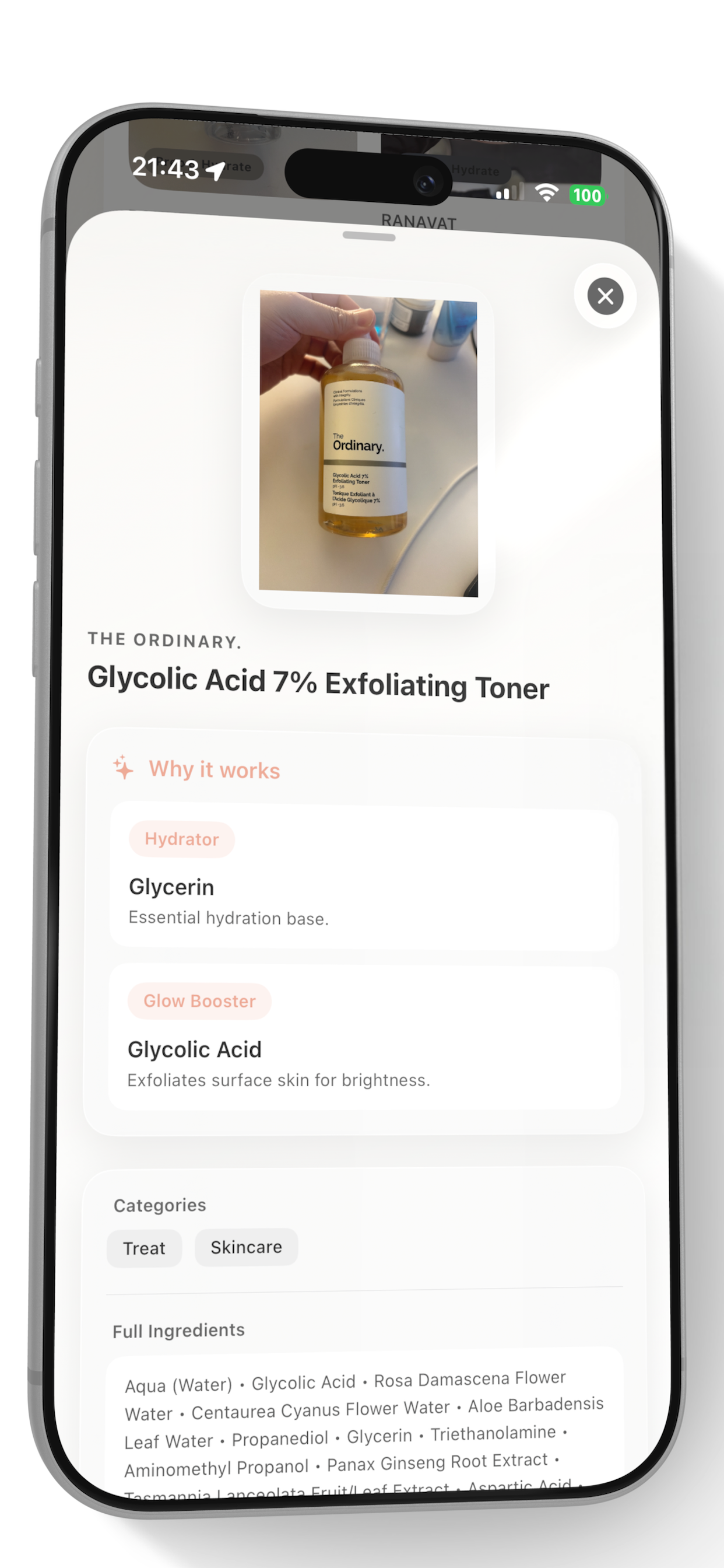
- Camera Access: We use your device's camera to capture product photos (e.g., ingredient lists) when you choose to scan or upload product information.
- Photo Library Access: We access your photo library only when you explicitly select an existing photo to upload.
- Image Processing (OCR / AI): When you upload a product photo, the image may be transmitted to our servers and processed using Google Gemini (AI) to extract text (OCR) and identify product details.
- Storage: Uploaded images may be stored in Google Firebase Storage and linked to your account (UID) so you can view results and history.
- No Biometrics: We do not use these images for facial recognition or biometric identification.
Technical & Usage Data (Analytics):
We may collect limited usage analytics to improve App reliability and performance (e.g., feature usage, app interactions, crash/performance signals). We do not collect or store email-derived identifiers (such as email hashes or email domains) in analytics.
3. How We Use Your Information
We use your information to provide and improve the App's core functionality, including:
- Creating and maintaining your account and syncing your data across sessions
- Categorizing your products and generating routine organization using automated processing
- Extracting text from product images (OCR) to identify ingredients and product details
- Improving App reliability, debugging, and performance (e.g., usage analytics and crash diagnostics)
We do not sell your personal information.
4. Data Retention and Deletion
We retain your data only as long as your account is active.
Right to Delete:
You may delete your account at any time in the App (Profile > Delete Account). When you request deletion, we delete:
- Your user profile and related records stored in Firestore
- Product inventory, routine data, and logs associated with your UID
- Uploaded images stored in Firebase Storage associated with your UID
- Analytics records associated with your account identifier (where applicable)
Deletion is intended to be permanent and cannot be undone.
Limited Exceptions:
We may retain minimal information if required to comply with legal obligations, resolve disputes, prevent fraud/abuse, or enforce our terms. If we retain anything for these purposes, we will limit it to what is necessary.
5. Third-Party Services
Google Firebase (Google LLC):
- Authentication (account sign-in)
- Firestore Database (storing your app data such as profile, inventory, logs)
- Firebase Storage (storing uploaded product images associated with your UID)
Google Gemini (Google LLC):
- We use Google Gemini to process product images you upload to extract text (OCR) and help identify product/ingredient information.
- This processing may involve transmitting the image (or derived text) to Google's services for analysis.
Affiliate Links:
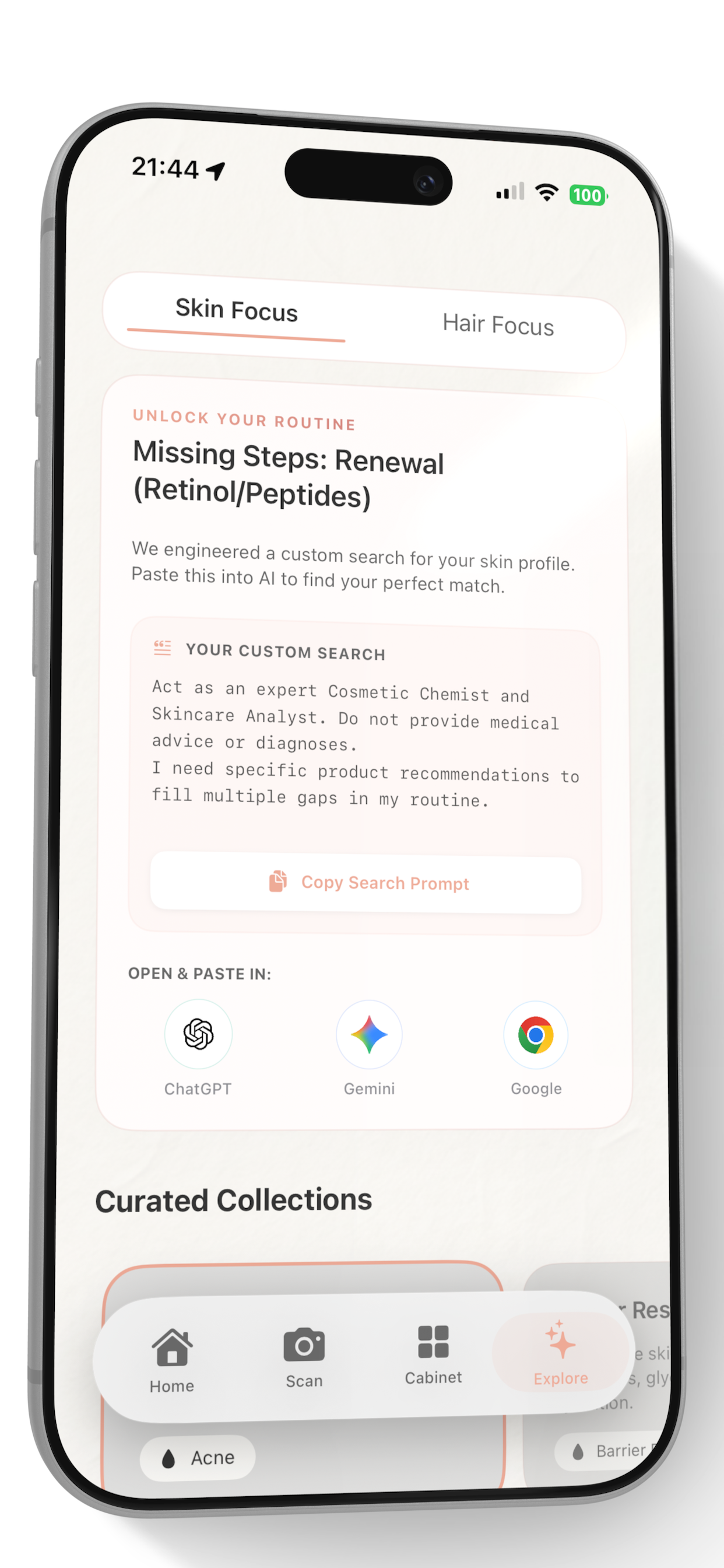
The "Explore" section may contain affiliate links to third-party retailers. If you click these links, you will be directed to a third-party site governed by their own privacy policies. We are not responsible for the data practices of these external sites.
6. Medical Disclaimer
Remap-Skin is a wellness tool, not a medical device. The routine suggestions, "Master Protocol," and analysis provided by the App are for informational purposes only and do not constitute medical advice, diagnosis, or treatment. Always consult a dermatologist or qualified healthcare provider for any skin conditions.
7. Contact Us
If you have any questions regarding this Privacy Policy, please contact us at: it@remap-health.com